Phone:15653322638
Physical address:
North of Zhengjia Village, Linchi Town, Zouping City, Binzhou City, Shandong Province

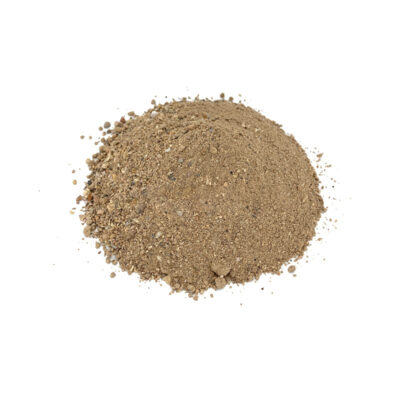
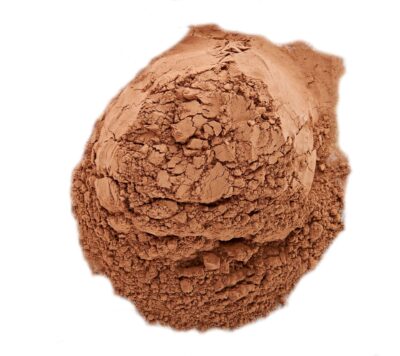
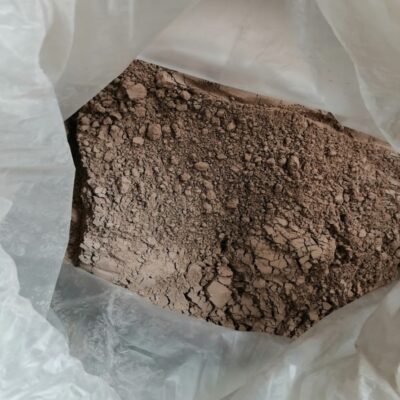
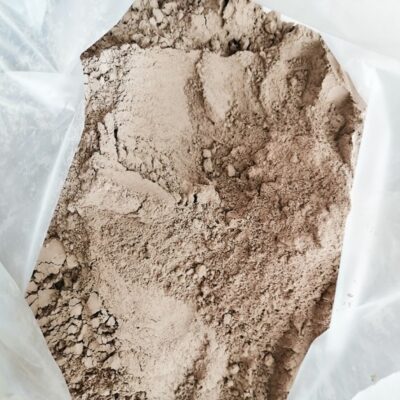

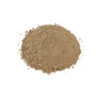
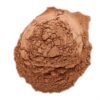
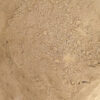
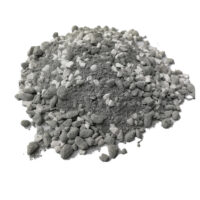
Composed of refractory powder, binder, and admixture. Almost all refractory materials can be made into powder for preparing refractory mortar. Ordinary refractory clay is made by adding a suitable amount of refractory clinker powder and plastic clay as binders and plasticizers. Its strength at room temperature is low, and it only has high strength when it forms a ceramic bond at high temperatures. Chemical bonded refractory mud, which uses hydraulic, pneumatic, or thermosetting bonding materials as binders, undergoes a certain chemical reaction and hardens before reaching a temperature lower than the formation temperature of ceramics.
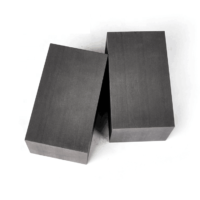
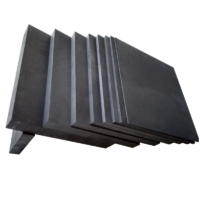
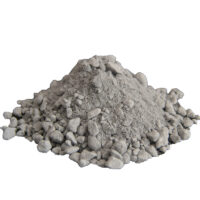
Composed of refractory powder, binder, and admixture. Almost all refractory materials can be made into powder for preparing refractory mortar. Ordinary refractory clay is made by adding a suitable amount of refractory clinker powder and plastic clay as binders and plasticizers. Its strength at room temperature is low, and it only has high strength when it forms a ceramic bond at high temperatures. Chemical bonded refractory mud, which uses hydraulic, pneumatic, or thermosetting bonding materials as binders, undergoes a certain chemical reaction and hardens before reaching a temperature lower than the formation temperature of ceramics. The particle size of refractory mud varies according to usage requirements, with the ultimate particle size generally less than 1mm, and some less than 0.5mm or finer. The selection of refractory slurry material should consider consistency with the refractory products of the masonry. In addition to being used as a joint material, refractory mortar can also be applied or sprayed as a protective coating for the lining. Characteristics and applications of refractory mud: 1. Good plasticity, easy construction; 2. High bonding strength, strong corrosion resistance; 3. High refractoriness, up to 1650 ℃± 50 ℃; 4. Good resistance to slag invasion; 5. Good thermal peeling performance. Refractory clay is mainly used in coke ovens, glass kilns, blast furnace hot blast stoves, and other industrial kilns. The industries of application include metallurgy, building materials, machinery, petrochemicals, glass, boilers, electricity, steel, cement, etc. Bulk density: 1.8-2.2g/cm3
Reviews
There are no reviews yet.