Phone:15653322638
Physical address:
North of Zhengjia Village, Linchi Town, Zouping City, Binzhou City, Shandong Province

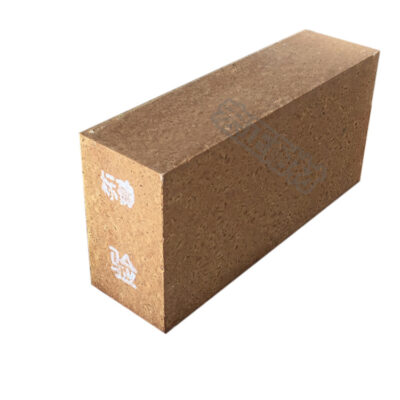
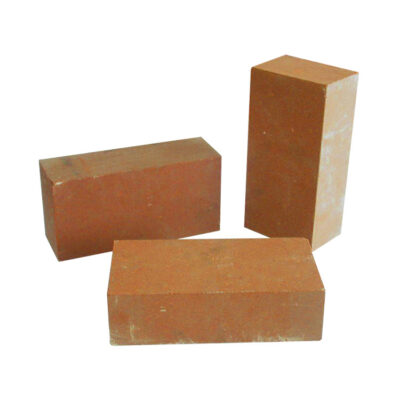
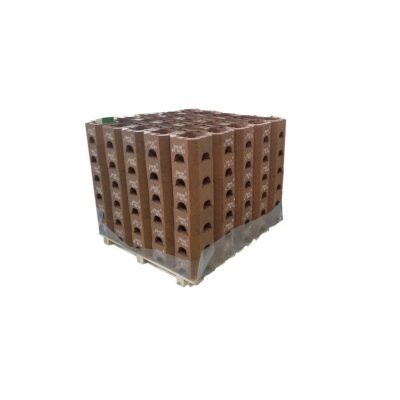
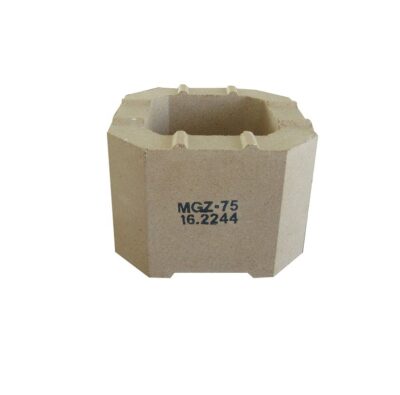
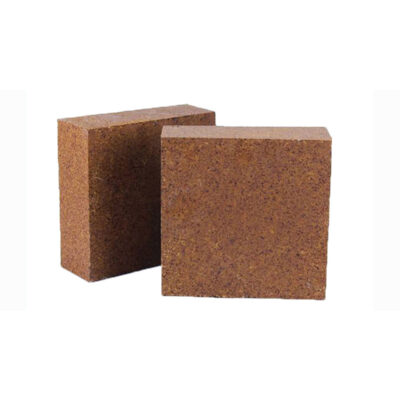
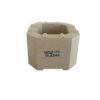
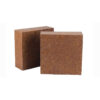
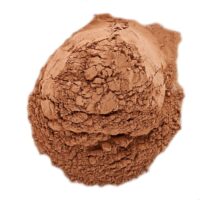
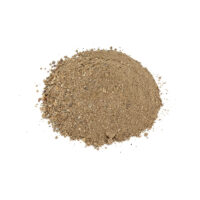
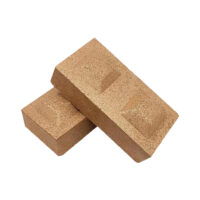
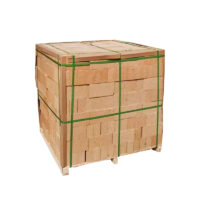
Magnesia refractory bricks are widely used in high-temperature kilns for steel and building materials due to their high refractoriness, excellent slag resistance, and thermal shock resistance. At present, the commonly used binders for preparing magnesia refractory bricks are calcium aluminate cement, silica micro powder, and silica sol. Among them, calcium aluminate cement can endow magnesium refractory castables with excellent mechanical properties at room temperature.
Magnesia refractory bricks are widely used in high-temperature kilns for steel and building materials due to their high refractoriness, excellent slag resistance, and thermal shock resistance. At present, the commonly used binders for preparing magnesia refractory bricks are calcium aluminate cement, silica micro powder, and silica sol. Among them, calcium aluminate cement can endow magnesium refractory castables with excellent mechanical properties at room temperature. However, at high temperatures, the calcium oxide in calcium aluminate cement reacts with magnesium oxide to form low melting point phases of calcium magnesium olivine (cao · mgo · sio2), which reduce the high-temperature mechanical properties and slag erosion resistance of the castables, thereby affecting their service life; Moreover, the initial baking of calcium aluminate cement bonded castables is prone to peeling or even bursting, requiring special attention to maintenance and dehydration processes. Adding silicon micro powder to magnesium refractory bricks containing magnesium oxide is prone to react to form hydrated magnesium silicate (m-s-h), which is a cementitious material with good bonding strength during heating. However, the slow formation rate of hydrated magnesium silicate (m-s-h) at room temperature limits the application of silicon micro powder binders.
Reviews
There are no reviews yet.