Phone:15653322638
Physical address:
North of Zhengjia Village, Linchi Town, Zouping City, Binzhou City, Shandong Province

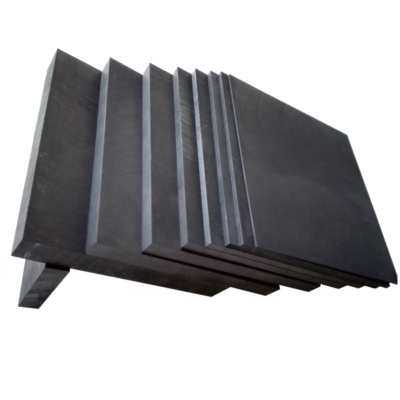
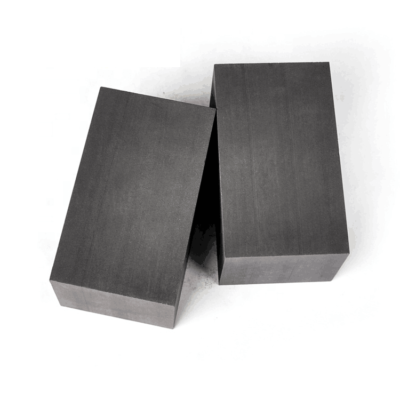
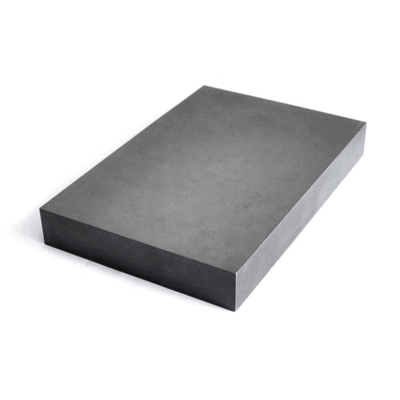
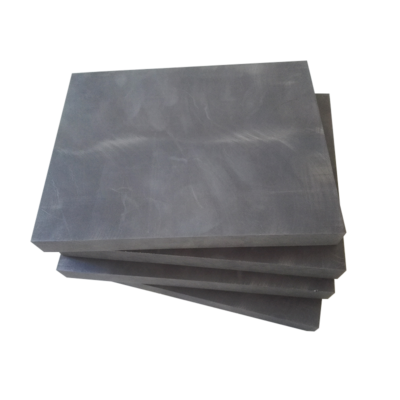
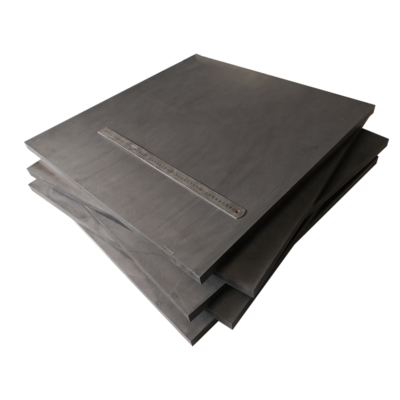
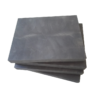
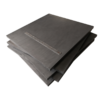
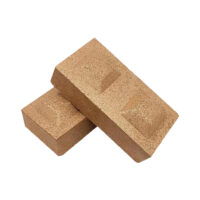
The production process of carbon bricks is roughly similar to other refractory bricks, but it is necessary to prevent carbon oxidation at high temperatures, so the roasting of raw materials and the firing of products must be carried out in a reducing atmosphere. Anthracite should be roasted before use to remove volatile matter, sulfur, and moisture, and to improve its volume stability, mechanical strength, and antioxidant properties. Coke should be dried first to avoid difficulties in forming due to high moisture content and cracking of the product during the firing process.
The production process of carbon bricks is roughly similar to other refractory bricks, but it is necessary to prevent carbon oxidation at high temperatures, so the roasting of raw materials and the firing of products must be carried out in a reducing atmosphere. Anthracite should be roasted before use to remove volatile matter, sulfur, and moisture, and to improve its volume stability, mechanical strength, and antioxidant properties. Coke should be dried first to avoid difficulties in forming due to high moisture content and cracking of the product during the firing process. Asphalt should be melted and dehydrated first, so that its moisture content is less than 0.2%, and the dehydration temperature should be 120-160 ℃. The carbon brick ingredient is made of roasted granular anthracite as the aggregate, and its particle size depends on the size of the product: large bricks are 8-12 millimeters, and small bricks are 4-6 millimeters. The amount of anthracite added is about 60%. Coke should be added as fine powder, with a content of about 70% for particles smaller than 88 microns. The amount of binder added to blast furnace carbon bricks is usually 15-20%. In order to prevent oxidation, bricks are generally filled with coke powder or coal powder as protective fillers during firing. The firing temperature is 1300-1450 ℃, the insulation time is about 20 hours, and the total firing time is about 240-420 hours. When cooled to 40-60 ℃, it is discharged from the kiln. Carbon bricks exit the kiln at high temperatures and are prone to catching fire and burning
Reviews
There are no reviews yet.